
Are you experiencing a shaking or vibrating engine, and your mechanic said you have an engine misfire. Well, you may be curious to find out what is a misfire in a car, what causes engine misfire and how to fix engine misfire.
Keep reading to find out what is a misfire in a car, what can cause a misfire, and how to fix a misfire
What is a misfire in a car?
During the ignition stroke (also known as the power stroke or combustion stroke) the spark plug creates a spark that ignites the compressed air and fuel mixture in the cylinder.
The ignition coil transforms the 12 volts from the battery to thousands of volts that the spark plug requires to produce the spark needed to ignite the air / fuel mixture.
The pressure created in the cylinder, then forces the piston down, enabling the crankshaft to translate the up and down movement of the piston to produce more torque (strength) and horsepower (speed).
A misfire occur when the the air and fuel mixture fails to properly ignite or burn in one or more cylinder. An engine misfire can be caused by a worn out spark plug, faulty ignition coil, damaged spark plug switch or wire, faulty fuel injectors, a weak fuel pump, low fuel pressure, Vacuum leaks, blown head gasket, or a faulty sensor (mass airflow (MAF) and oxygen sensor).
A misfire in one or more cylinders will trigger the check engine light to illuminate on the dashboard, increase fuel consumption, rough idle / harsh vibration, and engine hesitation.
What can cause a misfire
What is a misfire in a car? The causes of an engine misfire are faulty ignition system, inadequate fuel delivery, Air or vacuum leak, and a low engine compression.
Faulty ignition system: A faulty spark plug, faulty ignition coil, or damaged spark plug switch or wire will cause an engine misfire.
Fuel delivery issues: A weak fuel pump, low fuel pressure or clogged fuel line can cause a misfire.
Air or vacuum leak: A lean mixture of excess air and less fuel is a cause of an engine misfire.
Low engine compression: A low engine compression due to internal wear from the cylinder head, or blown head gasket can cause an engine misfire.
Faulty sensor: A faulty of damaged mass airflow (MAF) and oxygen sensor can trigger a misfire.
How to fix engine misfire
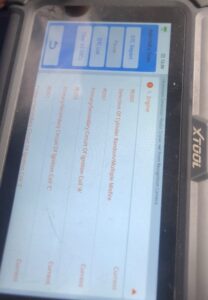
To fix a misfire, you need to first take your car to a mechanic workshop for proper diagnosis. Use a OBD scanner to diagnose your car. The fault associated with an engine misfire is P03** codes. P0300 means the system has detected a cylinder random / multiple misfire.
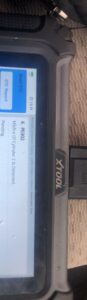
P0301 means misfire is detected in cylinder 1, P0302 means misfire detects in cylinder 2 and so on. Note that the last number represents the cylinder in which misfire was detected.
Once misfire has been confirmed, ensure you check and replace the spark plug, ignition coil, the spark plug switch or wire, fuel injectors, fuel pump, fuel tank, fuel pressure regulator, Vacuum leaks, blown head gasket, or mass airflow (MAF) and oxygen sensor. Use a plug tester to check if the spark plugs are functioning properly or not
Can a bad catalytic converter cause a misfire
A bad catalytic converter does not cause a misfire, but can cause power loss. Also an incomplete combustion in one or more cylinder can cause the catalyst to get clogged and become bad.
What causes an engine misfire are the following; a faulty ignition system, inadequate fuel delivery, air or vacuum leak, and a low engine compression.
What causes misfire
What is a misfire in a car: the following reasons are what causes misfire in a car faulty ignition system, inadequate fuel delivery, Air or vacuum leak, a low engine compression and faulty sensors.
Faulty ignition system (A faulty spark plug, faulty ignition coil, or damaged spark plug switch or wire).
Inadequate Fuel delivery (weak fuel pump, low fuel pressure or clogged fuel line).
Air or vacuum leak (excess air and less fuel).
Low engine compression (blown cylinder head, or blown head gasket).
Faulty sensor (faulty mass airflow (MAF) and oxygen sensor).
Can bad gas cause a misfire
Yes, a bad gas can cause a misfire, when it mixes with water (H20) at the fuel or gas station. Water often mixes with fuel from the reservoir at the fuel station.
Water shouldn’t mic with the fuel system of your car as it can cause an engine misfire which is often noticeable from the check engine light in the dashboard, harsh vibration and jerking of the vehicle.
To fix the issue of a bad gas or water mixing with fuel. This will involve removing the fuel tank,draining the fuel out of the system and proper cleaning before replacing the fuel tank. To avoid the issue of a bad gas, ensure you purchase fuel from a good filling station.
Can 02 sensor cause a misfire
A bad 02 sensor can cause a misfire by sending a wrong signal to the Engine control unit (ECU) and cause the computer to send a wrong signal to the injectors thereby injecting too much fuel into the cylinder and leading to a misfire.